

A Manager’s Honest Look at Modern Hiring and the One Tool That Finally Brought Clarity
Have you ever hired someone who seemed perfect during the interview…
Only to realise weeks later that they weren’t who you thought they were?
If you’ve ever hired someone, this story will feel familiar.
You used the same process.
You onboarded them the same way.
You gave them the same job description and expectations.
Yet somehow…
One person thrives.
The other struggles.
And you’re left wondering what on earth went wrong.
You’re not alone and you’re definitely not a bad manager.
The truth is: traditional hiring hides more than it reveals.
The Interview Trap: “They Said All the Right Things…”
Think about the last candidate who impressed you.
They communicated well.
They gave strong examples.
They seemed organised, reliable, confident, and people-focused.
But here’s the thing:
Anyone can say they’re organised.
Anyone can claim they work well under pressure.
Anyone can rehearse a great answer.
And today, there’s a new twist most managers don’t realise is happening…
New Hiring Risk: AI-Written Interview Answers
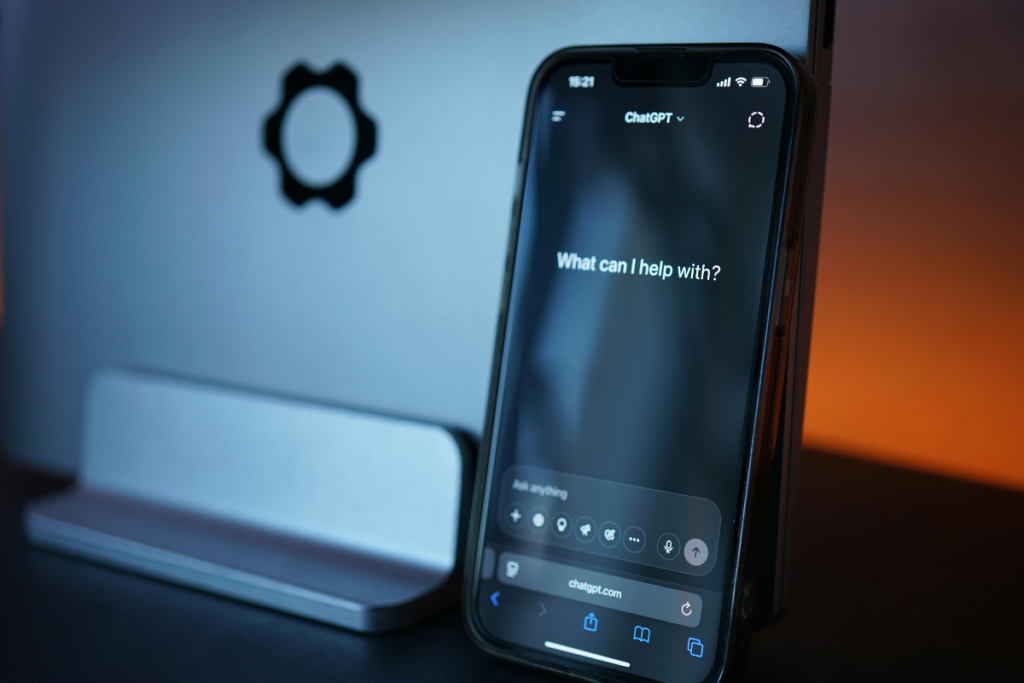
This is the part nobody talks about.
More and more candidates are doing interviews online, and while they’re on camera with you, something else is happening on their other screen:
They’re quietly pasting your interview questions into an AI tool.
And AI is giving them impressive, professional, perfectly worded responses.
Answers that sound experienced.
Answers that sound emotionally intelligent.
Answers that sound like someone who has dealt with difficult clients, handled conflict gracefully, and managed complex workloads.
Except… sometimes they’ve never done any of those things.
They’re just reading answers written by a machine.
So now managers are not just interviewing candidates.
They’re interviewing AI-assisted versions of candidates, and they have no idea.
Which brings us back to your question:
“Why did I hire them… and why didn’t it work out?”
The Problem Isn’t You — It’s Visibility
As a manager, you’re expected to spot:
- Reliability
- Judgement
- Resilience
- Emotional maturity
- Communication habits
- Integrity
- Work style
- Capacity under pressure
But interviews don’t reliably reveal those things anymore, not when responses can be coached, polished, or AI-generated.
So what does give you visibility?
Where Managers Finally Get Clarity: The Judgment Index
This is where the Judgment Index (JI) changes everything.
Unlike interviews, CVs, references, or rehearsed answers:
✔ You can’t cheat it
✔ It isn’t an AI tool
✔ It measures real values, decision-making, and work behaviours
✔ It shows the truth beneath the interview performance
Our values-based online assessment only takes approximately 15 minutes to complete, delivering accurate insights, measurable results, and sparking important conversations. This enables management, peers and human resources to understand what truly drives engagement, motivation, and resilience within the people they work with and seek to support.
For managers trying to reduce hiring risk, it does two critical things:
- It validates what the candidate says during the interview.
If someone tells you they’re “highly organised,” Our values-based assessment tool will show you whether that’s actually true or just something they read from ChatGPT.
- It highlights where the candidate will need support.
Maybe they’re good with people but struggle with structure.
Maybe they’re reliable but slow to make decisions.
Maybe they communicate well but get overwhelmed without clear processes.
Instead of discovering these things after onboarding…
You know them before the contract is signed.
Managers finally get the missing piece they’ve needed for years:
predictability.
What This Looks Like in the Real World
A manager hires two new employees.
Same training.
Same tools.
Same onboarding.
Same expectations.
Employee A thrives.
Employee B stumbles, misses deadlines, and requires micromanagement.
In the past, the manager blamed:
- The process
- The onboarding
- The workload
- The training
- Or themselves
But with the JI report, they finally understood:
Employee A had strengths in organisation, judgement, and follow-through.
Employee B needed support in structure, decision-making, and time management.
Armed with this insight, the manager could:
- Adjust onboarding
- Provide targeted coaching
- Add system support
- Set realistic timelines
- Prevent frustration for both sides
And for the first time, the manager wasn’t hiring in the dark.
Why This Matters Now More Than Ever
The workplace is changing.
Hiring is changing.
Candidates are changing.
And AI is stepping in, sometimes in ways that help, sometimes in ways that mislead.
But the core of what makes an employee thrive?
Their values, their judgement, their real behaviour under pressure.
And that isn’t something AI can imitate for them.
Managers deserve tools that cut through the noise.
The Judgment Index does exactly that.
Ask Yourself This…
The next time you interview someone and think:
“They sound perfect.”
Try asking instead:
“How do I know?”
The managers who can answer that question confidently, with real data, not guesswork, are the ones building stronger teams, avoiding surprise underperformance, and making recruitment decisions they don’t regret.
➡️ Follow Us on LinkedIn!
☎️ Book a Discovery Call!
📜 Request a Sample Report!